How Roofing Companies Reuse Materials to Save Money
The rising costs of construction materials and growing environmental concerns have prompted roofing companies to adopt sustainable practices. One effective approach is reusing materials during roof installations or repairs. By integrating reuse strategies, companies not only address financial objectives but also contribute to a more sustainable future. Let's dive into the processes and methodologies that position the roofing industry as a leader in eco-friendly business practices.
1. Assessing Existing Roof Material Viability
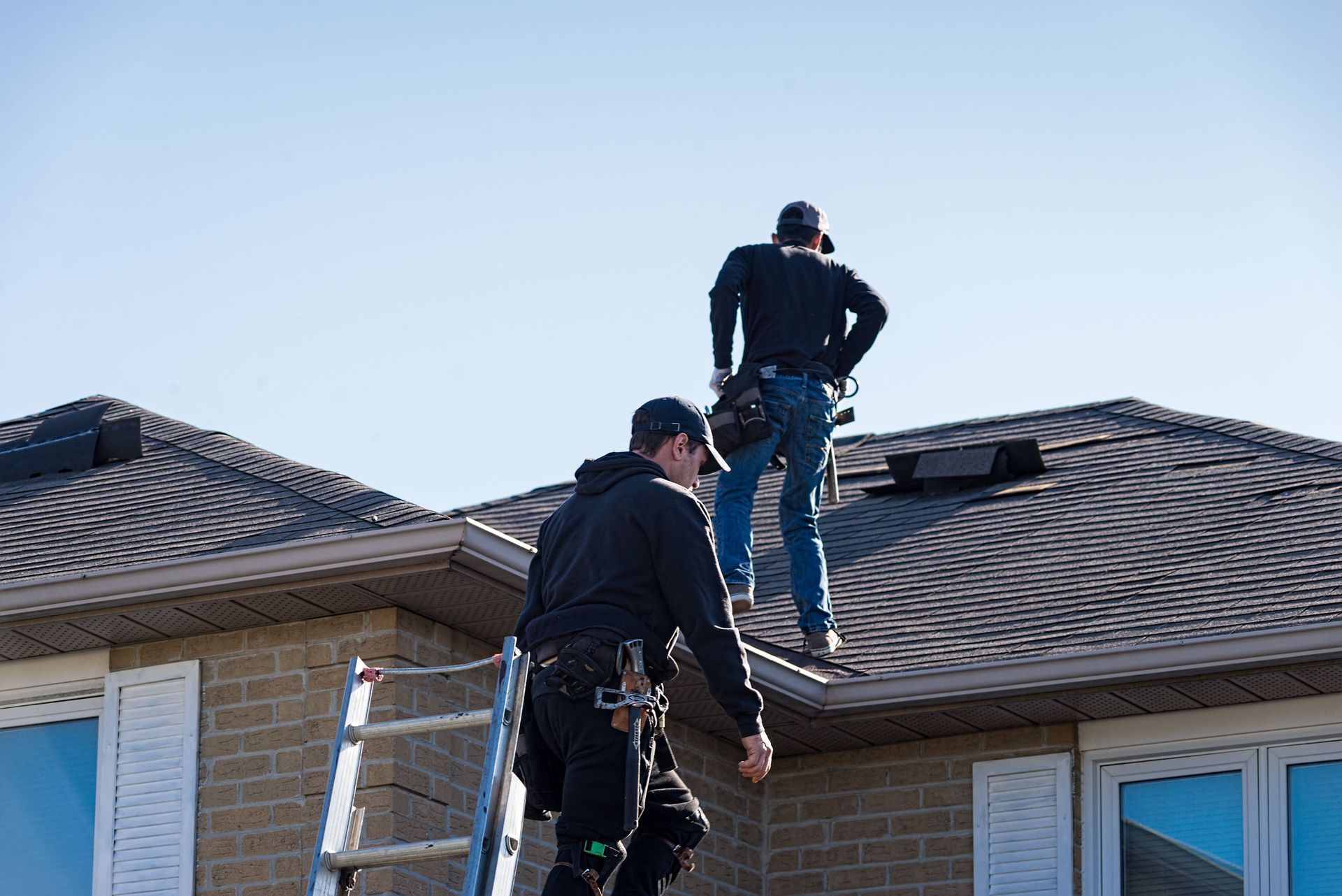
Before initiating any reuse strategy, a thorough assessment of existing roof materials is essential. Conducting comprehensive roof inspections helps determine the condition of materials and their potential for reuse. Contractors typically inspect for signs of wear, such as cracks or rust, which may affect material durability. Evaluating material longevity involves understanding both the age and the environmental exposure the materials have faced. By identifying viable materials early, roofing companies can maximize their reuse potential and minimize the need for new resources.
During the evaluation, it is crucial to identify reusable components, such as asphalt shingles, metal panels, and tiles. Each material has its own set of characteristics that determine its suitability for reuse. Deciding on material salvage techniques requires balancing the preservation of material quality against the cost and effort involved in recovery. Creative salvage approaches can include anything from manual removal to using advanced machinery for delicate materials. Additionally, creating detailed assessment reports ensures that all stakeholders understand which materials are salvageable and how they can be effectively reused.
Comprehensive assessments also include strategically planning the salvage of materials during roof teardown projects. Companies must develop a checklist of priorities when deciding which materials are worth salvaging. Effective salvage strategies often require training and specific skills to avoid damaging materials upon removal. Once viable components are identified, detailed assessment reports provide guidance on how these materials can be integrated into future projects. This systematic approach ensures both the safety and financial viability of reusing roof materials, promoting long-term sustainability and cost savings.
2. Techniques for Removing and Storing Salvaged Materials
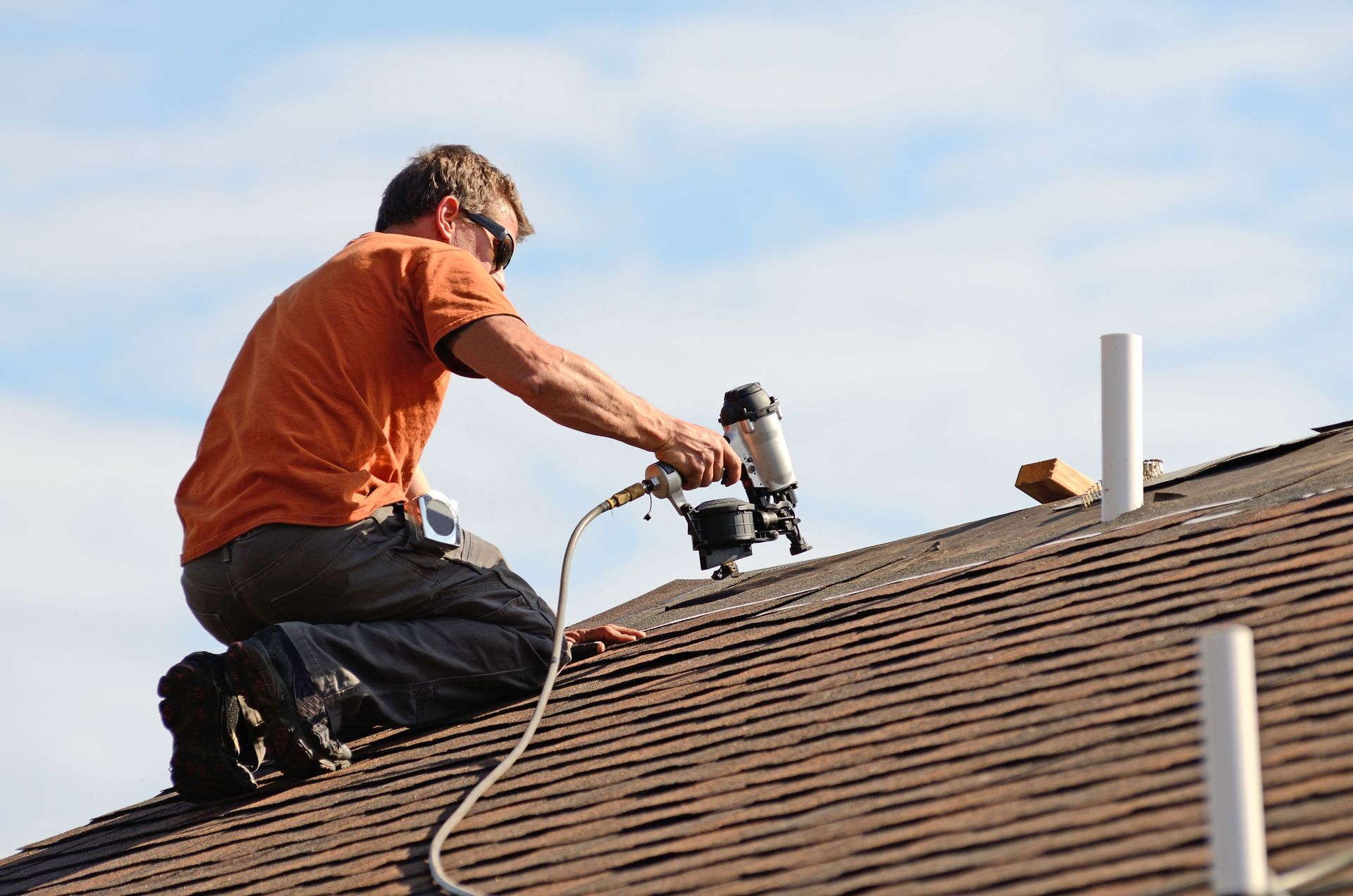
Safe material removal processes are fundamental to ensuring the integrity of salvaged components. These processes involve using the right tools and techniques to prevent damage during extraction. For instance, delicate tiles might require special scaffolding or soft removal tools to prevent chipping and breakage. Proper safety measures protect workers and the materials they handle, reducing the rate of loss during removal. Additionally, roofing companies may employ specialized machinery to expedite the safe removal of heavier or more hazardous materials, ensuring efficiency and worker safety.
Once removed, efficient sorting techniques ensure materials are quickly categorized for reuse or recycling. Sorting involves categorizing materials based on type, size, and condition, enhancing the efficiency of storage solutions. Proper storage methods are critical to prevent the degradation of materials over time. For example, metal components should be stored in dry conditions to avoid rust, while rubber or plastic elements might need protection from extreme temperatures. By implementing robust labeling and cataloging systems, stored materials can be easily identified and accessed for future projects.
Addressing contamination and cleaning salvaged materials is a necessary step before storage or reuse. Contaminated materials can compromise the integrity and value of reused products, leading to unexpected costs or safety hazards. Simple cleaning techniques, such as pressure washing or chemical treatments, can effectively prepare materials for storage or reuse. Adopting a routine process for contamination checks ensures all materials meet quality and safety standards before being reincorporated into new projects. A commitment to clean, properly stored materials reflects a company's dedication to sustainable and efficient business practices.
3. Innovative Repurposing Methods for Roofing Materials
Innovative repurposing methods have opened new avenues for the creative reuse of roofing materials. Asphalt shingles, for instance, can be recycled into new products like paving or to enhance road durability. This not only reduces the environmental burden of disposing of old shingles but also lowers the cost of raw materials for infrastructure projects. The recycling process involves grinding shingles into small granules that can then be mixed with bitumen and other materials. Such recycling initiatives promote a circular economy, where materials are continually reused in various forms.
Metal roofing offers unique decorative and functional opportunities when repurposed. Due to its robust nature and versatility, metal can be transformed into decorative elements like wall art or garden fixtures. It is also worth noting that, according to State Farm, a metal roof can provide homeowners with savings of around 40% on energy costs. This underscores the material's potential for both aesthetic and functional improvements in homes and commercial buildings. Repurposing metal not only enhances architectural features but also contributes to energy savings, proving to be an economically sound and eco-friendly solution.
Roofing tiles, especially those made of clay or concrete, find a second life in landscaping and interior design projects. They can be used to create beautiful garden borders, pathways, or unique interior flooring. Wooden components, on the other hand, can be creatively integrated into interior design, such as furniture or wall cladding. These methods not only recycle materials but also offer unique design opportunities that might not be possible with new, more expensive materials. Additionally, converting roofing membranes into garden paving provides another layer of functionality, showing that creativity in repurposing can lead to diverse and innovative solutions.
4. Financial Implications and Cost-Benefit Analysis
Financially, reusing roofing materials can result in considerable cost savings for roofing companies and their clients. By calculating cost savings from material reuse, companies can identify the economic benefits of this sustainable approach. Reducing the need for new materials directly lowers initial project expenses, allowing for more competitive pricing. Additionally, maintenance and repair costs may also decrease as companies find more innovative applications for reused materials. Customers benefit from cost savings, while companies increase their profit margins through the efficient allocation of resources.
Analyzing initial investment versus long-term benefits helps roofing companies make informed decisions about adopting reuse strategies. While there may be an upfront investment in training, equipment, or new processes, these costs are often offset by future savings. Long-term benefits include not only a reduction in material costs but also increased client satisfaction and improved company reputation. Tax incentives and rebates for using repurposed materials can further incentivize their integration into business practices. Such fiscal advantages align with broader business objectives, reinforcing the viability of sustainable practices in the roofing industry.
Understanding market demand for reused materials can also shape financial strategies. As consumers and businesses prioritize sustainability, the demand for eco-friendly alternatives has grown. This shift allows companies offering reused roofing materials to tap into a profitable and expanding market. Case studies demonstrating financial success serve as powerful testimonials to the effectiveness of reuse strategies, encouraging more companies to follow suit. By aligning business models with market trends, roofing companies can both increase profitability and advance environmental goals.
Reusing materials in roofing projects represents a powerful strategy for cost-saving and environmental stewardship. By overcoming challenges and implementing sustainable practices, roofing companies not only cut expenses but also contribute to a healthier planet. The integration of reused materials promotes resource conservation, reduces waste, and aligns businesses with consumer demands for eco-friendly solutions. As awareness and technology evolve, these strategies will undoubtedly become an integral part of the industry's future. Overall, embracing the reuse of roofing materials enhances both the environmental impact and the economic viability of the roofing industry.





Share On: